Buck Teeth: Causes, Symptoms & Best Treatment Options
Worried about buck teeth? Understand what causes overjet, its health risks, and modern treatment options — braces, clear aligners & more. Expert guide by White Dental Healthcare.
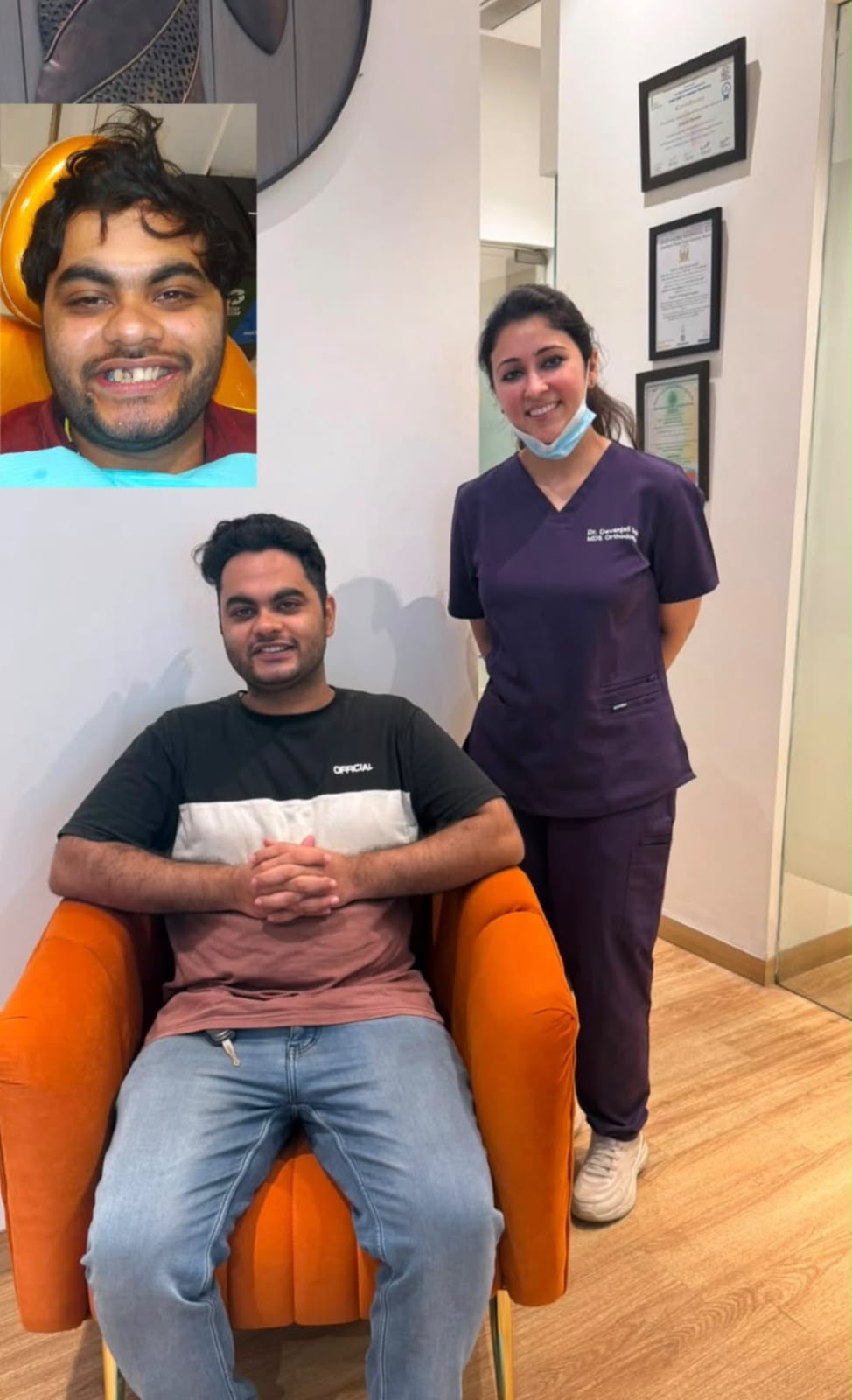
Do your upper front teeth stick out noticeably when you smile? You are not alone. Known clinically as overjet, buck teeth is one of the most common orthodontic concerns we treat at White Dental Healthcare.
While many think it is just a cosmetic issue, untreated buck teeth can lead to difficulty in chewing, speech issues, frequent mouth injuries, and low self-confidence. The good news? Modern dentistry can fix it completely at any age.
In this guide, our orthodontists explain everything about buck teeth — from causes to the best treatment options.
What Are Buck Teeth?
Buck teeth, also called overjet or proclined front teeth, is a dental malocclusion where the upper front teeth protrude significantly outward and overlap the lower front teeth horizontally by more than 2–3 mm.
People often confuse overjet with overbite. Overbite is the vertical overlap, while buck teeth (overjet) is the horizontal protrusion.
You can check it yourself: if you can place more than a pencil's thickness between your upper and lower front teeth when you bite, you likely have an overjet.
What Causes Buck Teeth?
Buck teeth can develop from childhood to adulthood. The main causes are:
1. Genetics
Jaw size and tooth alignment are largely hereditary. Some people are born with a small lower jaw or a large upper jaw.
2. Childhood Habits
- Prolonged thumb sucking beyond age 3–4
- Excessive pacifier use
- Tongue thrusting habit (pushing the tongue against the front teeth while swallowing)
- Long-term bottle feeding
3. Dental Factors
- Crowded teeth or missing teeth pushing the front teeth forward
- Extra teeth or impacted teeth
- Irregular eruption pattern of permanent teeth
4. Other Factors
Chronic mouth breathing due to enlarged adenoids or tonsils, and trauma to the jaw.
Expert tip from White Dental Healthcare: early intervention at age 7–9 can prevent severe buck teeth later. We recommend a first orthodontic check-up by age 7 — read more about children's dentistry at our clinic.
Why Should You Fix Buck Teeth? Health Risks If Ignored
Leaving buck teeth untreated is not just about looks:
- Higher injury risk: protruding front teeth are more prone to chipping or breaking during a fall.
- Chewing and digestion issues: difficulty biting into food properly.
- Speech problems: a lisp or difficulty pronouncing certain sounds.
- Gum damage and wear: abnormal bite pressure can cause gum recession and enamel wear.
- Low confidence: many patients report avoiding smiling in photos.
5 Best Treatment Options for Buck Teeth
At White Dental Healthcare, your treatment plan depends on your age, severity (mild, moderate, severe), and lifestyle.
1. Traditional Metal Braces — Most Effective
The gold standard for moderate to severe buck teeth. Metal brackets and wires gradually pull teeth into the correct position.
2. Ceramic Braces — Aesthetic & Effective
Same function as metal braces but with tooth-coloured brackets. Less visible and preferred by working professionals.
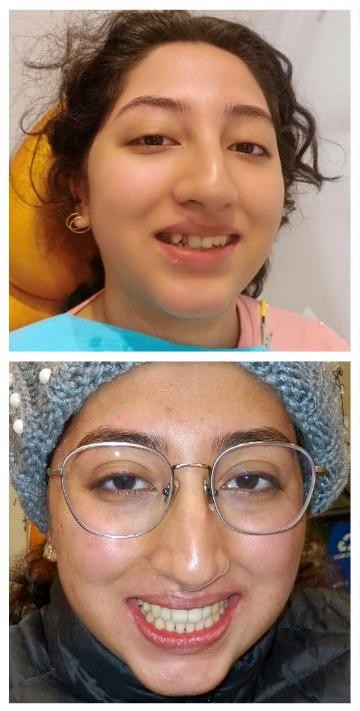
3. Clear Aligners — Most Popular & Invisible
Transparent, removable trays custom-made for you. You can eat, brush, and attend meetings without anyone noticing. Best for mild to moderate cases. At White Dental Healthcare, we use AI-powered 3D treatment planning for precise results — compare the two approaches in our guide to invisible aligners vs braces, or explore Invisalign treatment at our clinic.
4. Palatal Expansion / Growth Modification (For Children)
For kids aged 8–14, we use special appliances to guide jaw growth and create space, often avoiding the need for extractions or surgery later.
5. Jaw Correction Surgery — For Severe Skeletal Cases
If buck teeth are due to a severe jaw discrepancy (a very small lower jaw), braces or aligners are combined with orthognathic surgery for a perfect bite and facial profile.
Can buck teeth be fixed without braces? For very mild cosmetic cases, veneers or bonding can camouflage it. But for true correction of the bite, orthodontic treatment (braces or aligners) is required. There are no effective natural remedies.
What Factors Affect Your Buck Teeth Treatment Plan?
Since every smile is different, your orthodontist will decide the final treatment after a scan and consultation. The plan depends on:
- Severity of overjet: mild vs severe protrusion
- Age and jaw growth: children's jaws can be guided; adults need different mechanics
- Type of appliance chosen: metal braces, ceramic braces, or clear aligners
- Oral health condition: need for extractions, gum health, and so on
- Treatment duration and compliance
The best way to know your exact treatment option and timeline is a 3D scan consultation. You can also review our transparent price list before you visit.
Why Choose White Dental Healthcare for Buck Teeth Correction?
- Certified orthodontists: specialised in overjet correction for kids and adults
- Digital smile preview: see your final result before starting treatment with our 3D scanner
- Advanced tech: self-ligating braces and AI-driven clear aligners for faster, comfortable results
- Personalised care: no one-size-fits-all — your plan is made only for you
Orthodontic treatment at our Indirapuram clinic is led by Dr. Devanjali Soin, MDS Orthodontist and Invisalign Gold Certified Provider. We don't just straighten teeth; we design confident smiles.
Frequently Asked Questions
Can buck teeth be fixed at any age?
Yes. Teeth can be moved at any age. While treatment is faster in teens, adults in their 30s, 40s, and even 50s get excellent results — see our guide to adult orthodontics.
How long does it take to fix buck teeth?
On average, 12 to 24 months depending on severity. Mild cases with aligners can be corrected much faster.
Is buck teeth treatment painful?
You will feel mild pressure for 2–3 days after each adjustment or new aligner set, but it is not painful. It is a sign your teeth are moving.
Do I need to remove teeth for buck teeth correction?
Not always. With modern techniques like palatal expansion and IPR, we avoid extractions in most cases. It is only needed for severe crowding.
What is the difference between buck teeth and overbite?
Buck teeth (overjet) is horizontal protrusion — the upper teeth stick out. Overbite is vertical overlap. Many people have both.
Book Your Consultation at White Dental Healthcare
If protruding front teeth have been bothering you or your child, a single scan and consultation will tell you exactly what is possible — and how long it will take.
👉 Book your orthodontic consultation today at our Indirapuram clinic, or read how to choose the right orthodontist in Indirapuram.
Ready for straighter teeth with braces or Invisalign?
Book a Free Consultation